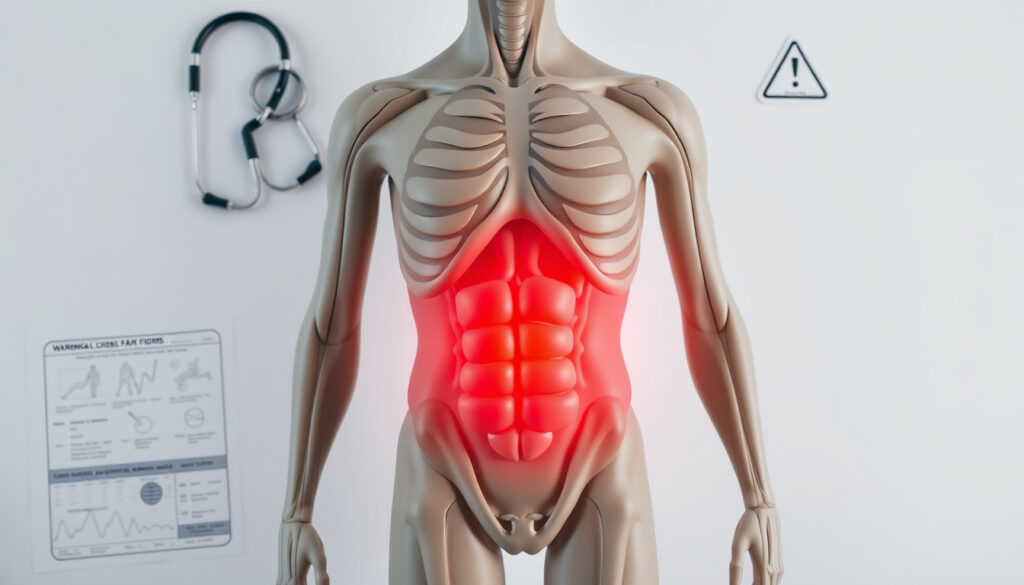
Lower Left Abdomen Pain – Causes, Symptoms and When to Worry
Lower left abdominal pain is a common complaint that affects both men and women across all age groups. The discomfort can range from a mild, dull ache to severe, sharp sensations that interfere with daily activities. Understanding what triggers this type of pain is essential for determining whether self-care measures are sufficient or whether professional medical evaluation is necessary.
The lower left quadrant of the abdomen houses several vital structures, including portions of the digestive tract, kidneys, and, in women, the ovaries. Pain in this region often originates from the digestive system, though reproductive and urinary system issues can also manifest as lower left abdominal discomfort. Identifying the underlying cause requires attention to the pain’s characteristics, accompanying symptoms, and any patterns related to eating, movement, or bodily functions.
This guide examines the most common causes of lower left abdominal pain, outlines warning signs that warrant medical attention, and provides practical guidance for managing mild symptoms at home. The information presented draws from established medical sources and is intended for educational purposes rather than as a substitute for professional medical advice.
What Causes Lower Left Abdominal Pain?
Lower left abdominal pain most frequently stems from digestive disorders, though the kidneys, reproductive organs, and musculoskeletal structures can also generate discomfort in this area. The sigmoid colon, which is the S-shaped portion of the large intestine located in the lower left abdomen, is particularly susceptible to inflammation and irritation. Several conditions affecting this region produce characteristic pain patterns that can help distinguish one cause from another.
Diverticulitis, trapped gas, irritable bowel syndrome, and constipation account for the majority of cases
Fever exceeding 38°C, vomiting, blood in stool or urine, and sudden severe pain require immediate evaluation
The sigmoid colon, descending colon, left kidney, and in women, the left ovary are the primary structures
Rest, adequate hydration, and monitoring symptoms for 24-48 hours are appropriate first steps for mild cases
Digestive System Causes
Diverticulitis represents one of the most significant causes of lower left abdominal pain. This condition develops when small pouches called diverticula, which form in the walls of the colon, become inflamed or infected. The sigmoid colon is particularly prone to diverticula formation, which explains why pain frequently localizes to the lower left side. According to the National Institute of Diabetes and Digestive and Kidney Diseases, diverticulosis becomes increasingly common with age, affecting a substantial portion of adults over 50 years old.
When diverticula rupture or become inflamed, diverticulitis develops, producing constant pain that typically worsens after eating. Associated symptoms may include fever, chills, nausea, and changes in bowel habits. The Cleveland Clinic notes that mild cases often respond to oral antibiotics and a liquid diet, while severe presentations with abscess formation or perforation may require hospitalization and surgical intervention.
Excess gas accumulation represents another common culprit. Trapped gas can cause sharp, stabbing pains that may feel severe despite typically being harmless. The discomfort often worsens after meals and may improve with movement or the passage of gas. Irritable bowel syndrome, characterized by cramping, bloating, and alternating periods of constipation and diarrhea, also frequently produces lower left abdominal discomfort. Unlike the constant pain of diverticulitis, IBS pain often comes and goes and may be triggered by stress or certain foods.
Urinary System Involvement
Kidney stones can cause excruciating pain that radiates from the back or side toward the lower abdomen and groin. The National Kidney Foundation explains that stones forming in the left kidney produce pain localized to the left side. The pain is often described as sharp and wave-like, coming in intense bursts. Accompanying symptoms typically include painful urination, blood in the urine, and nausea. Kidney infections, known as pyelonephritis, can also manifest as lower abdominal pain along with fever, chills, and persistent urinary symptoms.
Key Insights
- The sigmoid colon is the most common source of lower left abdominal pain due to its anatomical position and susceptibility to inflammatory conditions
- Diverticulitis prevalence increases significantly after age 50, with risk factors including low-fiber diets and obesity
- Gas pain tends to be sharp and intermittent, while diverticulitis pain is typically constant and worsens after eating
- Kidney stones produce distinctive radiating pain that moves from the back toward the lower abdomen and groin
- IBS-related pain often correlates with bowel movements and may be influenced by dietary factors and stress levels
- Constipation can cause referred pain in the lower abdomen, particularly when stool accumulates in the descending colon
Snapshot of Common Causes
| Condition | Primary Symptoms | Typical Severity |
|---|---|---|
| Diverticulitis | Constant left pain, fever, nausea | Moderate to severe |
| Gas/Bloating | Sharp stabbing pain, relief after gas passes | Mild to moderate |
| IBS | Cramps, bloating, alternating constipation/diarrhea | Variable |
| Kidney Stones | Intense waves of pain, blood in urine | Severe |
| Constipation | Dull ache, bloating, difficulty passing stool | Mild to moderate |
| Hernia | Bulge, pain with coughing or lifting | Moderate |
When Should You Worry About Lower Left Abdominal Pain?
While many instances of lower left abdominal pain resolve on their own within a day or two, certain symptoms indicate the need for prompt medical evaluation. According to Providence Health, understanding which signs require urgent care can prevent complications and ensure appropriate treatment when serious conditions are present.
Seek emergency care if you experience sudden, severe pain accompanied by high fever (above 38°C or 100.4°F), persistent vomiting, blood in your stool or urine, yellowing of the skin, or if the pain makes it difficult to breathe. These symptoms may indicate serious conditions requiring urgent intervention within hours.
Distinguishing Urgent From Non-Urgent Pain
Mild digestive discomfort that gradually improves typically does not require emergency care. However, pain that persists for more than two days, progressively worsens, or is accompanied by concerning symptoms warrants professional evaluation. The Mayo Clinic advises that unexplained weight loss combined with abdominal pain should always be discussed with a healthcare provider, as this combination may indicate underlying conditions requiring investigation.
Red flag symptoms that demand immediate attention include pain radiating to the back combined with urinary difficulties, which may suggest kidney stones or infection. A visible bulge in the groin area that becomes more prominent during coughing or lifting, particularly if accompanied by pain, could indicate an inguinal hernia requiring surgical evaluation. In women of childbearing age, lower abdominal pain combined with a missed period or other pregnancy indicators requires immediate assessment to rule out ectopic pregnancy, a potentially life-threatening condition.
Chronic Pain Considerations
Recurring or chronic lower left abdominal pain that has persisted for weeks or months without severe symptoms still warrants medical evaluation. Conditions such as irritable bowel syndrome, endometriosis, or chronic diverticulitis require proper diagnosis and ongoing management rather than episodic treatment. Healthcare providers typically recommend imaging studies, blood tests, and in some cases, endoscopic evaluation to determine the underlying cause of persistent discomfort. For those exploring comprehensive health coverage options, travel health insurance coverage can provide valuable protection when seeking medical care away from home.
Pain lasting more than 48 hours without improvement should prompt a visit to a primary care provider. Sudden severe pain that limits your ability to walk or perform daily activities warrants same-day evaluation, while extreme pain accompanied by fever or vomiting requires emergency department assessment.
Lower Left Abdominal Pain in Women: Common Causes
Women experience several causes of lower left abdominal pain that do not affect men, primarily related to the reproductive system. The left ovary, fallopian tube, and surrounding structures can generate pain that may be cyclical, related to hormonal changes, or indicative of acute conditions requiring prompt treatment. Understanding these gender-specific causes helps women recognize when symptoms may have gynecological origins.
Ovarian Conditions
Ovarian cysts are fluid-filled sacs that develop on the ovaries and are particularly common during the childbearing years. According to the American College of Obstetricians and Gynecologists, most ovarian cysts are harmless and resolve on their own within a few months. However, larger cysts or those that rupture can cause significant pain, typically sharp and sudden in onset. Accompanying symptoms may include bloating, fullness in the lower abdomen, and pain during intercourse.
Ovarian torsion represents a more serious condition where the ovary twists on its supporting ligament, cutting off blood supply. This emergency typically presents with sudden, severe lower abdominal pain accompanied by nausea and vomiting. Because prolonged torsion can permanently damage the ovary, surgical intervention within hours is often necessary to preserve ovarian function.
Endometriosis and Related Conditions
Endometriosis occurs when tissue similar to the uterine lining grows outside the uterus, commonly affecting the ovaries, fallopian tubes, and peritoneum. This tissue responds to hormonal changes throughout the menstrual cycle, causing inflammation, scarring, and pain that may be most severe during menstruation. Lower left abdominal pain from endometriosis can occur at any time during the cycle and may be accompanied by heavy menstrual bleeding, pain during intercourse, and infertility.
Pelvic inflammatory disease, typically resulting from untreated sexually transmitted infections, can cause persistent lower abdominal pain along with abnormal vaginal discharge, fever, and painful urination. This condition requires antibiotic treatment to prevent complications including scarring and fertility problems. Adenomyosis, where endometrial tissue grows into the muscular wall of the uterus, may also produce lower abdominal discomfort, particularly during heavy menstrual periods.
Pregnancy-Related Concerns
Ectopic pregnancy, where a fertilized egg implants outside the uterus, most commonly in a fallopian tube, represents a medical emergency. Lower left or right abdominal pain combined with vaginal bleeding and a missed period should prompt immediate pregnancy testing and medical evaluation. Left untreated, ectopic pregnancy can cause life-threatening internal bleeding when the fallopian tube ruptures.
Normal pregnancy also produces occasional lower abdominal discomfort as the uterus expands and ligaments stretch. However, any persistent pain, cramping, bleeding, or fluid leakage during pregnancy requires immediate obstetric evaluation to ensure maternal and fetal wellbeing.
How to Relieve Lower Left Abdominal Pain
Home management approaches are appropriate only when lower left abdominal pain is mild and not accompanied by warning symptoms. The Tuasaude medical team emphasizes that attempting home treatment for pain that may indicate serious conditions like diverticulitis or kidney stones can delay necessary care and potentially worsen outcomes.
Digestive-Related Pain Management
For pain stemming from gas, constipation, or mild irritable bowel symptoms, several self-care measures can provide relief. Increasing dietary fiber intake through fruits, vegetables, whole grains, and legumes helps promote regular bowel movements and reduces constipation-related discomfort. Adequate hydration is equally important, as water softens stool and supports digestive function. Regular physical activity stimulates intestinal motility and can help move gas through the digestive tract more efficiently.
Applying a heating pad or warm compress to the lower abdomen can relax muscles and ease cramping associated with gas, constipation, or menstrual discomfort. Over-the-counter medications including simethicone products help break up gas bubbles and provide relief from bloating and trapped wind. Antispasmodic medications may help reduce intestinal cramping, though these should be used according to package directions and not as a substitute for addressing underlying causes.
Identifying and avoiding gas-producing foods such as beans, cabbage, broccoli, onions, and carbonated beverages may reduce bloating and discomfort. Eating smaller, more frequent meals rather than large meals can ease digestive burden and minimize symptoms for those with IBS or general digestive sensitivity.
When Home Remedies Are Not Appropriate
It is crucial to recognize that home treatment is never appropriate for suspected diverticulitis. The Manhattan Gastroenterology specialists note that diverticulitis requires medical treatment, typically involving antibiotics and sometimes dietary modifications. Attempting to treat diverticulitis at home risks progression to severe complications including abscess formation, perforation, and peritonitis.
Similarly, kidney stones typically require medical intervention beyond home measures. While small stones may pass spontaneously with adequate hydration and pain management, larger stones or those causing persistent symptoms need procedures such as lithotripsy or surgical removal. Anyone suspecting kidney stones should seek medical evaluation to determine appropriate management. Those navigating healthcare decisions in Canada may find information about free dental care in Canada useful for understanding broader health coverage options.
Home remedies are suitable only for mild, uncomplicated digestive issues such as occasional gas, bloating, or constipation. Pain accompanied by fever, vomiting, blood in stool or urine, severe intensity, or persistence beyond 48 hours requires professional medical evaluation before attempting any self-treatment.
Lower Left Abdominal Pain with Other Symptoms
Lower left abdominal pain rarely occurs in isolation. Accompanying symptoms often provide crucial clues about the underlying cause and can help determine the urgency of medical evaluation needed. Understanding the significance of symptom combinations allows for more informed decisions about when to seek care and what information to communicate to healthcare providers.
Pain Radiating to the Back
When lower left abdominal pain extends toward the back or flank, kidney involvement becomes more likely. The Digestive Health MD specialists note that kidney stones characteristically produce pain that radiates from the back or side around to the lower abdomen and may extend into the groin area. The pain often comes in waves and may be accompanied by urinary changes including blood in the urine, frequent urination, or pain during urination.
Back pain accompanying lower abdominal discomfort can also occur with severe constipation, where stool backup creates pressure and discomfort that radiates posteriorly. In some cases, musculoskeletal strain in the back or ribs can cause referred pain to the lower abdomen. Distinguishing between these possibilities requires evaluation of the full symptom pattern and may necessitate imaging studies.
Pain During or After Bowel Movements
Pain that worsens during or immediately after bowel movements often indicates colorectal involvement. Diverticulitis pain typically intensifies after eating and may persist for hours after defecation. In contrast, IBS-related pain often improves following a bowel movement, though cramping before elimination is common. Hemorrhoids and anal fissures can cause sharp pain during defecation along with bright red blood on stool or toilet paper.
Inflammatory bowel diseases such as Crohn’s disease and ulcerative colitis may produce pain during bowel movements along with diarrhea, which may contain blood or mucus. These chronic conditions require ongoing medical management and monitoring to prevent complications including malnutrition, intestinal obstruction, and increased cancer risk.
Nausea, Vomiting, and Appetite Changes
The presence of nausea or vomiting alongside lower left abdominal pain suggests more significant involvement of the digestive tract or adjacent structures. Diverticulitis commonly causes nausea, and vomiting may occur with more severe inflammation or when the condition progresses. Kidney stones frequently produce nausea as a response to severe pain.
Loss of appetite accompanying abdominal pain often indicates more systemic involvement. While mild digestive upset naturally reduces appetite, persistent anorexia combined with abdominal pain and unintentional weight loss should prompt medical evaluation to rule out inflammatory conditions, infections, or malignancy.
Understanding Pain Severity and Prognosis
The severity and duration of lower left abdominal pain provide important information about potential underlying causes and expected outcomes. Different conditions follow distinct trajectories, and understanding typical timelines helps set appropriate expectations while awaiting medical evaluation.
Diverticulitis Progression
- Mild diverticulitis typically responds to oral antibiotics and a temporary liquid diet, with improvement usually evident within 48 to 72 hours and complete resolution within 7 to 10 days in most cases
- Moderate cases may require hospitalization for intravenous antibiotics, with treatment duration typically spanning 3 to 7 days before transitioning to oral medications and dietary advancement
- Severe diverticulitis with abscess formation may require percutaneous drainage procedures alongside antibiotic therapy, with hospitalization extending until symptoms resolve and oral intake is tolerated
- Complicated cases involving perforation or peritonitis demand emergency surgical intervention, with recovery periods varying considerably based on the extent of surgery and patient factors
Kidney Stone Passage
Small kidney stones measuring less than 5 millimeters have approximately a 90 percent chance of passing spontaneously, typically within several days to a few weeks. Pain management during this period is essential, and healthcare providers may prescribe medications to facilitate stone passage and control symptoms. Larger stones or those causing persistent symptoms typically require procedural intervention, with treatment selection depending on stone size, location, and composition.
What Is Known and What Remains Uncertain
Medical knowledge about lower left abdominal pain encompasses well-established facts about common causes and their management, alongside areas where individual variation and diagnostic limitations create uncertainty.
| Established Information | Areas of Uncertainty |
|---|---|
| Digestive causes account for the majority of lower left abdominal pain cases in both genders | Why some individuals develop diverticulitis while others with diverticula remain asymptomatic |
| Diverticulitis prevalence increases significantly with age, particularly after 50 years | Optimal dietary strategies for preventing diverticulitis recurrence |
| Kidney stones produce characteristic radiating pain patterns | Why IBS symptoms vary so considerably between individuals |
| Ovarian cysts are common and usually benign | Predicting which ovarian cysts will resolve versus which require intervention |
| Red flag symptoms reliably indicate need for urgent evaluation | Whether chronic lower abdominal pain in the absence of identified pathology requires ongoing monitoring |
Risk Factors and Population Considerations
Lower left abdominal pain affects individuals across all age groups, though certain conditions demonstrate clear patterns related to age, gender, and lifestyle factors. Understanding these patterns can help individuals and healthcare providers prioritize likely causes based on individual circumstances.
Diverticulitis demonstrates the strongest association with age, with prevalence increasing substantially after the fifth decade of life. Lifestyle factors including low-fiber diets, obesity, and physical inactivity appear to increase risk, and the condition is more common in Western populations where dietary fiber intake tends to be lower. Gender does not appear to strongly influence diverticulitis risk, though some studies suggest slightly higher rates in men.
Irritable bowel syndrome typically emerges in young adulthood and is more commonly diagnosed in women than men. The condition often demonstrates fluctuations related to stress, dietary factors, and hormonal changes. Kidney stones show higher prevalence in men and appear influenced by hydration status, dietary factors, and genetic predisposition.
Gynecological causes of lower abdominal pain, by definition, affect only women. Ovarian cysts occur most frequently during the childbearing years, while endometriosis may persist from adolescence through menopause. Ectopic pregnancy risk factors include previous ectopic pregnancy, pelvic inflammatory disease, and tubal surgery or abnormalities.
Medical Perspectives on Lower Abdominal Pain
“Abdominal pain localized to the lower left quadrant warrants careful evaluation when accompanied by fever, persistent vomiting, or changes in bowel habits, as these combinations may indicate serious conditions requiring prompt treatment.”
— Cleveland Clinic Medical Content Team
“The sigmoid colon’s anatomical position makes it the most frequent source of lower abdominal pain when inflammatory or infectious processes affect the large intestine. Clinical assessment focusing on pain characteristics, associated symptoms, and patient history guides appropriate diagnostic testing.”
— Manhattan Gastroenterology Medical Staff
Healthcare providers approach lower abdominal pain through systematic evaluation that considers the full clinical picture. Diagnostic workup may include blood tests to assess for infection or inflammation, urine analysis to evaluate urinary tract involvement, and imaging studies such as CT scans or ultrasound to visualize abdominal structures. In some cases, endoscopic procedures may be recommended to directly visualize the colon and obtain tissue samples for analysis.
Summary and Next Steps
Lower left abdominal pain encompasses a wide range of potential causes, from benign and self-limiting conditions to serious medical emergencies. The most common culprits involve the digestive tract, particularly the sigmoid colon, with diverticulitis, trapped gas, and irritable bowel syndrome accounting for the majority of cases in both men and women. Women additionally face reproductive system causes including ovarian cysts, endometriosis, and pregnancy-related conditions that require specific consideration.
Self-care measures including dietary modifications, increased hydration, and over-the-counter gas relief products can address mild digestive discomfort. However, symptoms accompanied by fever, vomiting, blood in stool or urine, severe pain, or persistence beyond 48 hours require professional medical evaluation. Understanding warning signs and seeking appropriate care in a timely manner supports better outcomes across the spectrum of potential causes.
For those seeking to understand broader healthcare coverage options in Canada, information about free dental care in Canada and travel health insurance coverage provides context for navigating additional aspects of health management.
Frequently Asked Questions
Can stress cause lower left abdominal pain?
Stress can exacerbate digestive symptoms including lower abdominal discomfort, particularly in individuals with irritable bowel syndrome. Stress management techniques may help reduce symptom frequency and severity.
Can lower left abdominal pain indicate pregnancy?
Lower abdominal pain can occur in early pregnancy from normal uterine growth and implantation. However, severe pain, vaginal bleeding, or known pregnancy require immediate obstetric evaluation to rule out ectopic pregnancy or miscarriage.
Is appendicitis a possible cause of left-sided abdominal pain?
Appendicitis typically causes pain that begins around the navel and migrates to the right lower abdomen. Pain isolated to the left side is unlikely to represent appendicitis, though appendix variation or other conditions may occasionally mimic this pattern.
How long should I wait before seeing a doctor for lower abdominal pain?
Pain persisting beyond 48 hours without improvement warrants medical evaluation. Sudden severe pain or pain accompanied by fever, vomiting, or other warning symptoms requires same-day assessment.
Can food allergies cause lower left abdominal pain?
Food allergies and intolerances can cause abdominal pain that may localize to various regions depending on the digestive response. Lactose intolerance, celiac disease, and other sensitivities commonly produce bloating and cramping that may be perceived in the lower abdomen.
Is surgery always necessary for diverticulitis?
Surgery is not typically required for initial diverticulitis episodes. Most cases respond to antibiotic therapy and dietary modifications. Surgery becomes necessary primarily for recurrent episodes, complications, or when severe cases fail to improve with medical management.
What imaging tests are used to diagnose lower abdominal pain?
CT scans are commonly used to evaluate lower abdominal pain as they provide detailed visualization of abdominal organs, bowel, and potential inflammatory changes. Ultrasound may be preferred in pregnant women or when ovarian pathology is suspected.
More related posts
 47 Thorncliffe Park Drive: Late t Verified Info & Rental Guide
 Iyo Sky Biography: Age, Husband, Children, Real Name & Career
 New Hunger Games Books: Sunrise on the Reaping & 2027 Novel
 Shawn Hatosy: From Animal Kingdom to Real-Life Family Man
 Canada Revenue Agency September 2025 Payment Dates Guide
 Roger Federer: Net Worth, Kids, and Personal Habits
 Matthew Gray Gubler: Biography, Career, and Personal Life
 Ray Lewis: Hall of Fame Linebacker and Controversy