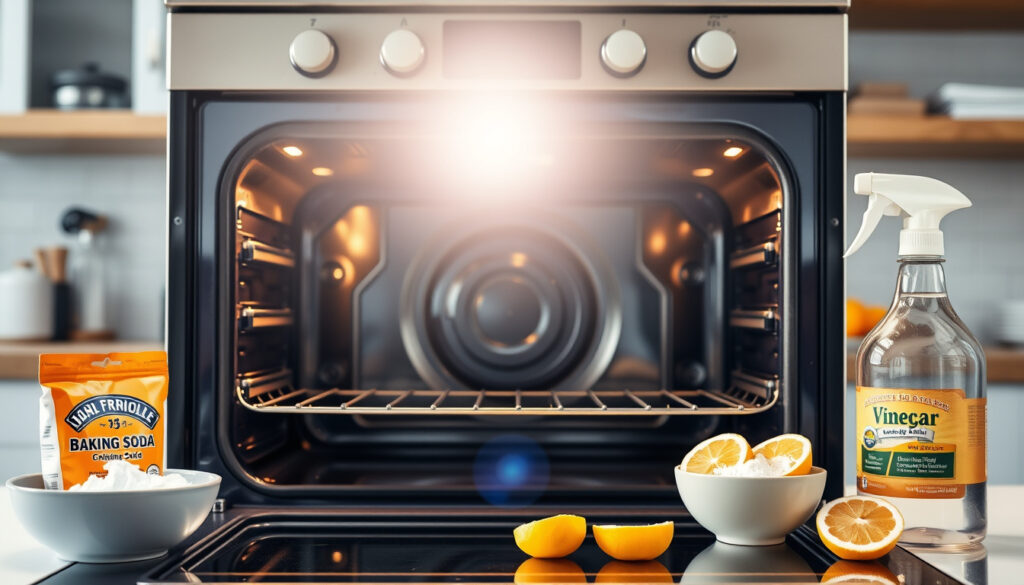
How to Clean Oven – Effective Natural Cleaning Guide
A clean oven cooks food more evenly, eliminates lingering odors, and reduces the risk of smoke or flare-ups during cooking. Whether dealing with a light spill from last week’s dinner or months of accumulated grease, knowing how to clean an oven properly makes the task far less daunting. The good news is that powerful, natural cleaning solutions can handle even stubborn baked-on residue without resorting to harsh chemicals.
This guide walks through proven methods for cleaning oven interiors, racks, and glass doors using household ingredients. It covers natural approaches that are safe for food-contact surfaces, mechanical cleaning techniques, and the built-in self-cleaning feature that many ovens include. Understanding when to use each method helps homeowners choose the right approach for their specific situation.
How to Clean an Oven Naturally
Baking soda stands out as the most effective natural cleaner for oven interiors. It neutralizes acidic grease, acts as a mild abrasive on stuck-on food, and leaves no chemical residue. This makes it safe for all oven types and far more economical than commercial cleaners. Multiple sources confirm that baking soda outperforms other homemade mixtures, including those combined with vinegar, due to chemical reactions that can reduce efficacy when ingredients are mixed incorrectly.
The process requires no heat activation and works on both gas and electric ovens. Vinegar plays a supporting role—best used as a final rinse to neutralize any remaining baking soda residue rather than as a primary cleaning agent.
Combining baking soda and vinegar in a single paste cancels their cleaning power. The fizzing reaction that seems satisfying actually produces results similar to plain water. Keep these ingredients separate for maximum effectiveness.
Pros: Inexpensive, non-toxic, safe for food-contact surfaces
Cons: Requires dwell time of 15 minutes to overnight
Pros: Fast-acting, powerful on heavy grease
Cons: Harsh fumes, requires gloves, leaves chemical residue
Pros: Hands-off process, incinerates grime
Cons: Uses extreme heat, locks door for hours, significant energy use
Pros: Gentle on surfaces, uses water only
Cons: Less effective on heavy baked-on residue
- Baking soda lifts grease effectively without damaging oven surfaces
- Avoid using chemical sprays on a hot or warm oven—they can produce dangerous fumes
- Dwell time matters: letting paste sit 20 minutes or longer maximizes results
- Very old, charred buildup may require repeat applications or light scraping
- Regular maintenance cleaning prevents heavy buildup from forming
- Always remove racks before cleaning the oven interior
- Vacuum loose debris before applying any cleaning paste
| Method | Time Required | Tools Needed | Best For |
|---|---|---|---|
| Basic baking soda paste | 15-20 minutes | Baking soda, water, sponge | Light grease, post-spill cleaning |
| Heavy-duty paste with salt | Overnight dwell | Baking soda, salt, water, spatula | Heavy buildup, neglected ovens |
| Vinegar rinse | 5-10 minutes | White vinegar, spray bottle | Removing baking soda residue |
| Baking soda + dish soap | 20 minutes | Baking soda, dish soap, water | Moderate grease, general cleaning |
| Commercial oven cleaner | 30 minutes to 2 hours | Chemical spray, protective gloves | Heavy industrial buildup |
The Most Effective Baking Soda Recipe
Real-world testing against seven other homemade recipes confirmed that the simplest formulation delivers the best results. Mix three tablespoons of baking soda with one and a half tablespoons of water to create a spreadable paste. Apply it to interior surfaces, let it dwell for at least 20 minutes, then wipe clean with a damp cloth or paper towels. For the glass door, apply thin even layers and repeat as needed to restore clarity.
A more intensive version for neglected ovens combines one pound of baking soda with one tablespoon of salt and two tablespoons of water. Adjust the water until reaching an icing-like consistency. Spread this mixture over all interior surfaces, close the oven door, and leave it overnight. The next day, scrape off the hardened paste with a spatula and wipe away remaining residue with warm, wet towels.
Best Ways to Clean Oven Racks and Glass Door
Oven racks and glass doors require separate attention from the interior cavity. Racks accumulate the most buildup because they bear the direct heat from cookware and absorb drippings. Glass doors develop a hazy film from grease vapor that condenses during cooking. Both components respond well to baking soda but need longer soaking or dwell time than the oven interior.
Removing and Cleaning Oven Racks
Begin by removing the racks entirely. Place them in a bathtub, large basin, or plastic storage bin big enough to submerge them. Fill with hot water and add several tablespoons of baking soda or liquid dish soap. For heavy buildup, apply a thick baking soda paste directly to the racks before adding water. Let them soak overnight—the longer they sit, the easier the scrubbing becomes.
The next day, scrub each rack section with a soft brush or non-abrasive sponge. For stubborn spots between bars, use an old toothbrush or soft-bristled cleaning brush. Rinse thoroughly with clean water and allow racks to dry completely before returning them to the oven.
Restoring a Sparkling Glass Door
Glass oven doors require a different approach than the interior. The surface scratches easily, so abrasive scrubbers should be avoided. Apply a baking soda paste directly to the glass and let it sit for at least 20 minutes. Wipe away the paste with a wet paper towel or soft cloth, using circular motions on any remaining spots.
For heavily clouded glass doors, apply thin layers of baking soda paste, allowing each layer to dry before applying the next. This gradual approach softens layered residue that a single application cannot penetrate. Finish by wiping with a vinegar-dampened cloth for a streak-free shine.
For gas ovens, ensure extra ventilation when cleaning, and avoid having any open flames nearby during the entire cleaning process. The baking soda method is a cold process, which makes it safer for gas appliances, but general kitchen ventilation remains important.
How to Use Your Oven’s Self-Cleaning Feature
Modern ovens often include a self-cleaning cycle that uses extreme heat to incinerate food residue into ash. This feature reaches temperatures around 900 degrees Fahrenheit and works for both gas and electric models. While effective, it operates very differently from natural cleaning methods and comes with notable drawbacks.
Preparing for a Self-Clean Cycle
Never run the self-clean cycle on a heavily soiled oven without preparation. Large food particles or greasy spills can produce excessive smoke when burned at such high temperatures. Before starting, remove all racks, wipe out loose debris, and scrape away any large chunks of food. Some homeowners apply a thin layer of baking soda paste before running the cycle to reduce smoke and improve results.
The cycle typically runs for two to five hours, during which the oven door remains locked for safety. This means the appliance is unavailable for cooking during this time. Plan ahead for meals or baking needs.
Weighing the Pros and Cons
The self-cleaning feature offers hands-off convenience—simply start the cycle and let the oven handle the rest. However, it consumes significant energy, produces odors that some people find unpleasant, and can strain the oven’s components if used excessively. The extreme heat may also affect the longevity of oven gaskets and electronic controls over time.
Many cleaning experts recommend natural methods as a preferable alternative. Regular maintenance cleaning with baking soda prevents heavy buildup from forming in the first place, reducing or eliminating the need for self-cleaning cycles altogether.
Quick Cleaning Tips and Safety Precautions
Speed and safety go hand in hand when cleaning an oven. Some approaches work faster than others, but certain practices must always be followed regardless of the method chosen. Understanding both the shortcuts and the non-negotiable safety rules protects both the appliance and the person cleaning it.
Never attempt to clean an oven while it is still hot or warm. Chemical cleaners can produce dangerous fumes when applied to heated surfaces. Always allow the oven to cool completely before beginning any cleaning process.
Fastest Approaches for Different Situations
For light cleaning after a minor spill, sprinkle baking soda directly on the stain, spritz with water or a water-vinegar solution, and let it sit for 15-20 minutes. Wipe away the residue with a wet paper towel. This approach takes as little as 30 minutes total and works well for regular maintenance between deeper cleans.
For post-spill situations, work quickly once the oven has cooled. Vacuum or wipe away loose particles first, then apply the baking soda paste. The key to fast cleaning is addressing spills before they bake on repeatedly. A monthly quick-wipe maintenance routine prevents the need for intensive cleaning sessions.
What to Avoid When Cleaning
- Avoid heating elements, vents, and self-clean sensors—keep all cleaning products away from these components
- Do not use steel wool or abrasive scrubbers on glass or painted surfaces
- Never mix ammonia with other cleaners
- Avoid excessive water inside the oven cavity—too much liquid can damage electrical components
- Do not apply paste to the interior of a self-cleaning oven’s catalytic liners unless the manufacturer specifically approves it
Even when using non-toxic natural ingredients, proper ventilation helps clear any airborne particles and speeds drying time. Open a window or turn on the kitchen exhaust fan before starting the cleaning process.
How Often Should You Clean Your Oven?
Most manufacturers and cleaning experts recommend a thorough oven cleaning every three to six months. This frequency prevents significant grease accumulation while remaining manageable for most households. Heavy-use scenarios, such as regularly roasting meats or baking frequently, may require cleaning every three months. Light users can extend this to twice yearly.
Between deep cleans, a quick monthly wipe-down keeps residue from building up. This involves simply wiping the oven interior with a damp cloth after the oven has cooled from cooking, or applying baking soda and wiping it away 15 minutes later. This maintenance step takes only a few minutes but significantly reduces the effort required during quarterly cleaning sessions.
Cooking habits directly affect cleaning frequency. High-fat cooking produces more grease accumulation. Ovens used primarily for warming foods or cooking with minimal oil require less frequent attention. Tracking usage patterns helps homeowners establish a personalized cleaning schedule that keeps the oven clean without unnecessary effort.
The Step-by-Step Oven Cleaning Process
A systematic approach ensures no steps are missed and produces consistent results. Following the same sequence each time builds a habit that keeps ovens consistently clean with minimal effort.
- Allow cooling: Ensure the oven has cooled completely before beginning. Never clean a warm or hot oven.
- Remove racks: Take out all oven racks and set them aside for separate cleaning in the bathtub or a large container.
- Clear debris: Vacuum or wipe away loose food particles and ash from the oven interior.
- Apply paste: Mix baking soda with water to a pancake-batter consistency. Spread evenly across interior surfaces, avoiding heating elements and sensors.
- Let dwell: Allow the paste to sit for at least 20 minutes for light cleaning or overnight for heavy buildup.
- Scrub: Use a soft sponge or cloth to wipe away the paste and loosened grime. For stubborn spots, use circular scrubbing motions.
- Rinse: Wipe surfaces with a cloth dampened with clean water or a 3:1 water-to-vinegar solution to remove any remaining baking soda residue.
- Clean glass: Apply fresh paste to the glass door, let it sit, then wipe clean with a vinegar-dampened cloth for streak-free results.
- Address racks: After soaking overnight, scrub racks, rinse thoroughly, and allow them to dry completely before returning them to the oven.
- Final wipe: Give the entire interior one last wipedown to ensure no cleaning residue remains.
What We Know and What Remains Uncertain
Based on available research and expert guidance, certain aspects of oven cleaning are well-established. Other questions remain without definitive answers, and transparency about these gaps helps readers set realistic expectations.
| Established Information | Uncertain or Variable Factors |
|---|---|
| Baking soda paste is the most effective natural oven cleaner | How different oven brands respond to various cleaning methods |
| Vinegar works best as a rinse, not mixed with baking soda in a paste | Long-term effects of frequent self-cleaning cycles on oven longevity |
| Cleaning every 3-6 months prevents heavy buildup | Optimal cleaning frequency for high-altitude or humidity variations |
| The method works identically for gas and electric ovens | Specific recommendations for steam ovens or combination microwave-oven units |
| Dwell time of 20+ minutes significantly improves results | Effectiveness on newer non-stick or porcelain enamel coatings from all manufacturers |
Understanding Your Oven Type
Gas and electric ovens clean identically using natural methods. Both types benefit from baking soda paste without any modification to the approach. The paste residue does not affect heating elements, sensors, or electronic controls when applied carefully and wiped away properly.
The primary difference lies in ventilation. Gas ovens produce small amounts of combustion byproducts during use, and some cleaning experts recommend running the kitchen exhaust fan when cleaning a gas oven and ensuring no open flames are present during the dwell time. Electric ovens produce no combustion byproducts and require no special ventilation considerations beyond general kitchen airflow.
Convection ovens, whether gas or electric, have a fan that circulates hot air. This fan cover can accumulate dust and should be cleaned periodically, though not with liquid cleaners. A dry brush or careful vacuuming handles this component safely.
What Experts Say About Oven Cleaning
Cleaning professionals consistently emphasize prevention over remediation. Regular maintenance cleaning takes minutes but saves hours of intensive scrubbing later. Multiple sources recommend establishing a habit of wiping down the oven after cooking, particularly after spills or high-fat meals.
The simplest baking soda and water paste consistently outperforms more complex homemade recipes. The chemical reaction between baking soda and vinegar when mixed together actually reduces cleaning effectiveness, making them work no better than plain water.
— Tested recipes comparison from multiple cleaning sources
Manufacturers generally recommend their own cleaning products for self-cleaning oven features, though they acknowledge that natural methods work well for regular maintenance. The key is matching the method to the level of buildup—light maintenance cleans require only basic paste, while neglected ovens need the heavy-duty salt-enhanced version.
Key Takeaways
Baking soda paste remains the gold standard for natural oven cleaning. Mix it with water to a spreadable consistency, apply it to cool interior surfaces, let it dwell for at least 20 minutes, and wipe clean. For heavy buildup, add salt to the paste and leave it overnight. Vinegar serves as an excellent final rinse but should never be mixed directly with baking soda in a cleaning paste.
Clean oven racks separately by soaking them overnight in hot water with dish soap or baking soda. The glass door benefits from the same paste application with repeated thin layers for stubborn residue. A self-cleaning cycle can handle heavy buildup but requires preparation and comes with drawbacks including locked doors, extended downtime, and significant energy use.
For those interested in expanding their natural cleaning knowledge, understanding the history and uses of Dutch ovens can provide context for why regular oven maintenance matters for cooking performance. Additionally, maintaining clean appliances ties into broader home water quality considerations that affect overall kitchen hygiene.
Establish a cleaning schedule based on usage frequency. Monthly quick wipes and quarterly deep cleans keep ovens in optimal condition without requiring heroic effort. Addressing spills immediately after the oven cools prevents baked-on residue from accumulating. With consistent maintenance, oven cleaning becomes a simple task rather than a dreaded chore.
Frequently Asked Questions
What is the best homemade oven cleaner?
A simple paste of baking soda and water outperforms more complex recipes. Mix three tablespoons of baking soda with one and a half tablespoons of water, apply to surfaces, wait 20 minutes, and wipe clean. Adding salt creates a more abrasive paste for heavy buildup.
How often should you clean your oven?
Most ovens need a thorough cleaning every three to six months. Heavy-use kitchens benefit from cleaning every three months, while light users can extend this to twice yearly. Quick monthly wipe-downs maintain cleanliness between deep cleans.
Can you clean an oven while it’s hot?
No. Cleaning a warm or hot oven, especially with chemical cleaners, produces dangerous fumes. Always allow the oven to cool completely before beginning any cleaning process.
Does mixing baking soda and vinegar make a good oven cleaner?
No. The chemical reaction between baking soda and vinegar produces carbon dioxide gas, which cancels their cleaning power. They work well as separate steps—baking soda paste for cleaning, vinegar rinse for removing residue—but not as a combined mixture.
What’s the fastest way to clean an oven?
A quick clean takes 15-20 minutes. Sprinkle baking soda on stains, spritz with water, wait 15-20 minutes, and wipe clean. For fastest results, address spills immediately after cooking once the oven has cooled.
What should you not use to clean an oven?
Avoid steel wool or abrasive scrubbers on glass or painted surfaces. Do not use chemical cleaners on warm ovens. Keep all products away from heating elements, vents, and self-cleaning sensors. Never mix ammonia with other cleaning products.
How do you clean oven racks without removing them?
While racks clean best when removed and soaked overnight, you can clean them in place by applying a thick baking soda paste, covering with damp towels to keep them moist, and letting them sit for several hours before scrubbing and rinsing.
Is the self-cleaning oven feature safe to use?
The self-cleaning feature is safe when used properly. Remove racks first, scrape away loose debris to reduce smoke, and plan for the oven to be unavailable for several hours while the door remains locked. Ensure kitchen ventilation during and after the cycle.
More related posts
 Demetrious Johnson: His OnlyFans, UFC Exit & Legacy
 Jaleel White: Bio, Net Worth, Kids, and Family Matters Legacy
 Robert Plant: Personal Life, Net Worth, and Untold Stories
 Travis Fimmel: Career, Privacy, and Dune Prophecy Role
 Homestead (2024 Film): Plot, Streaming & Where to Watch
 Chloe Parker: Age, Profession, and How She Became Famous
 Best Gift Baskets Ireland: Top Hampers for 2025
 Debby Ryan: DUI Arrest, Baby, and Cameron Boyce Tribute